Common Masonry Problems in Commercial Buildings and How to Address Them
Commercial buildings face unique masonry challenges due to their size, constant use, and exposure to Calgary’s harsh climate conditions. Identifying and addressing these issues early can prevent costly structural damage and maintain your property’s appearance and value. At ACL Masonry, we’ve handled countless commercial masonry restoration projects over our 15+ years in business. Here’s our expert guide to the most common problems and their solutions.
1. Mortar Joint Deterioration
The Problem
Mortar joints are often the first element of masonry to show signs of wear. In commercial buildings, these joints face constant exposure to Calgary’s freeze-thaw cycles, which can cause cracking, crumbling, and eventual failure of the mortar.
Signs to Watch For
- Crumbling or missing mortar between bricks or blocks
- White powdery substance (efflorescence) on masonry surfaces
- Visible cracks in mortar joints
- Loose bricks or stones
The Solution
Repointing and Tuckpointing – This process involves removing damaged mortar to a specific depth and replacing it with new mortar that matches the original in strength, composition, and color. For historic buildings, we take special care to match the original mortar type and appearance.
Professional repointing not only restores the structural integrity of the wall but also refreshes the appearance of the masonry. Our specialized techniques ensure the new mortar bonds properly with the existing masonry, preventing future issues.
2. Water Infiltration and Damage
The Problem
Water is masonry’s greatest enemy, especially in commercial buildings with large wall surfaces. Calgary’s heavy rains, snow, and subsequent thawing can lead to water penetration through tiny cracks, causing significant internal damage over time.
Signs to Watch For
- Water stains on interior walls
- Efflorescence (white mineral deposits)
- Spalling or flaking of brick surfaces
- Damp or musty odors
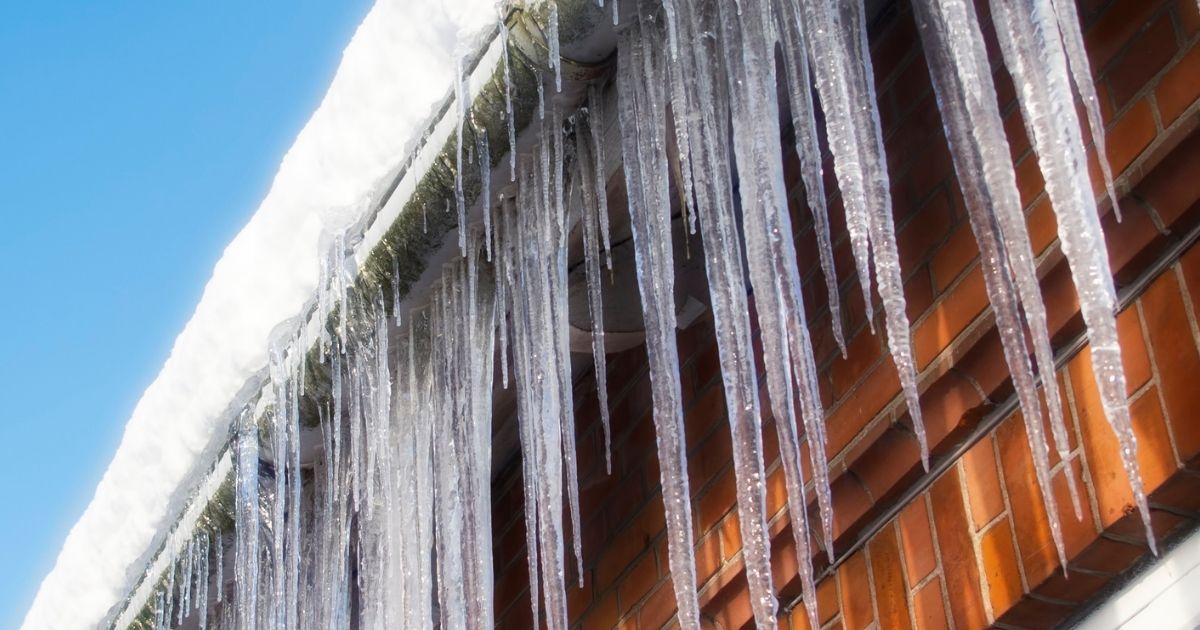
- Ice formation in winter where water has infiltrated
The Solution
Comprehensive Waterproofing Systems – Commercial buildings benefit from multi-layered approaches:
- Masonry Sealing – Application of professional-grade sealants that allow the masonry to breathe while repelling water.
- Flashing Repair or Installation – Properly installed flashing diverts water away from vulnerable areas.
- Drainage Improvement – Ensuring water flows away from the building foundation.
- Crack Injection – For foundation walls, specialized epoxy or polyurethane injection can seal cracks from the inside.
We recommend a complete assessment of water management systems, as water issues often have multiple contributing factors that must be addressed simultaneously.
3. Spalling and Surface Deterioration
The Problem
Spalling occurs when the face of brick, stone, or concrete breaks away, creating unsightly damage and compromising the structural integrity of the masonry. This is particularly common in commercial buildings with high exposure to de-icing salts and freeze-thaw cycles.
Signs to Watch For
- Flaking, peeling, or popping off of the masonry surface
- Visible loss of surface material
- Pitted appearance in masonry
- Bricks or blocks with missing faces
The Solution
Surface Restoration and Replacement – Depending on severity:
- Individual Unit Replacement – For localized damage, we can replace only the affected bricks or blocks, carefully matching the original materials.
- Surface Treatments – Application of specialized coatings after repair to prevent future moisture absorption.
- Preventative Measures – Installation of proper ventilation and drainage to reduce moisture accumulation.
For historical buildings, we employ specialized techniques to preserve the character while ensuring structural integrity.
4. Structural Cracks
The Problem
Unlike cosmetic cracking, structural cracks indicate movement in the building foundation or load-bearing walls. These can be particularly concerning in commercial structures due to their size and complexity.
Signs to Watch For
- Diagonal cracks, especially near doors and windows
- Stair-step cracking along mortar joints
- Cracks wider than 1/8 inch
- Bulging or leaning walls
- Uneven floors near masonry walls
The Solution
Structural Reinforcement and Repair – This requires a systematic approach:
- Root Cause Analysis – We identify whether the issue stems from foundation settlement, soil expansion, or other factors.
- Stabilization – Techniques like carbon fiber reinforcement, steel bracing, or helical tie installation to restore structural integrity.
- Foundation Repair – When necessary, addressing underlying foundation issues that cause wall movement.
- Monitoring – Installation of crack monitors to track any future movement after repairs.
For commercial clients, we coordinate with structural engineers when needed to ensure comprehensive solutions.
5. Loading Dock and High-Traffic Area Damage
The Problem
Commercial loading docks and areas with heavy vehicle traffic experience significant wear and impact damage that can compromise both functionality and safety.
Signs to Watch For
- Damaged brick or block corners
- Crumbling edges around loading areas
- Impact marks from vehicles
- Uneven surfaces creating loading hazards
- Exposed reinforcement in concrete areas
The Solution
Specialized Commercial Restoration – Our loading dock expertise includes:
- Impact-Resistant Materials – Installation of higher-strength masonry units in vulnerable areas.
- Steel Corner Guards – Strategic placement of protective hardware.
- Proper Joint Design – Using appropriate expansion joints to prevent cracking from vehicle vibration.
- Industrial-Grade Sealants – Application of sealants designed for high-traffic commercial areas.
We schedule loading dock repairs with your business operations in mind, minimizing disruption to your daily workflow.
6. Efflorescence and Staining
The Problem
White powdery deposits (efflorescence) and rust or organic stains can damage a commercial building’s professional appearance while potentially signaling deeper moisture issues.
Signs to Watch For
- White crystalline deposits on masonry surfaces
- Rust stains (often from metal fixtures)
- Green or black organic growth
- Persistent staining that returns after cleaning
The Solution
Professional Cleaning and Prevention – Our approach includes:
- Appropriate Cleaning Methods – Using the right techniques for each stain type without damaging the masonry.
- Source Elimination – Identifying and addressing the source of moisture causing efflorescence.
- Protective Treatments – Application of breathable sealers to prevent recurring issues.
- Metal Fixture Isolation – Ensuring metal elements don’t directly contact masonry where rust transfer can occur.
For heritage buildings, we use gentle cleaning methods that preserve historical integrity while effectively removing stains.
7. Thermal Movement Damage
The Problem
Commercial buildings with large masonry walls experience significant expansion and contraction with temperature changes. Without proper accommodation for this movement, cracking and structural issues can develop.
Signs to Watch For
- Vertical cracks at building corners or material transitions
- Horizontal cracking along long walls
- Bulging or displacement of masonry units
- Crushed edges where expansion has exceeded joint capacity
The Solution
Movement Joint Installation and Repair – Our specialized solutions include:
- Expansion Joint Evaluation – Assessing existing joints and determining if additional joints are needed.
- Joint Installation – Creating properly designed expansion joints at appropriate intervals.
- Flexible Sealant Application – Using commercial-grade elastomeric sealants that maintain water resistance while allowing movement.
- Strategic Reinforcement – Adding appropriate ties and anchors to accommodate movement while maintaining stability.
Our team understands the engineering principles behind thermal movement and designs solutions that work with your building’s specific needs.
Preventative Maintenance: The Cost-Effective Approach
Establishing a regular inspection and maintenance program for your commercial property can identify small issues before they become major problems. At ACL Masonry, we recommend:
- Bi-annual professional inspections (spring and fall)
- Prompt addressing of minor repairs
- Regular cleaning of drainage systems
- Documented maintenance history to track developing issues
Our commercial maintenance programs can be customized to your building’s specific needs and budget, providing peace of mind and protecting your investment.
Why Choose Professional Masonry Repair
Commercial masonry repair requires specialized knowledge, equipment, and experience. Our team brings over 45 years of combined expertise to every commercial project, ensuring:
- Proper diagnosis of underlying issues, not just symptom treatment
- Materials and techniques appropriate for commercial applications
- Knowledge of building codes and commercial construction standards
- Efficient project management to minimize business disruption
- Long-lasting results that protect your investment
Contact ACL Masonry for Your Commercial Masonry Needs
If you’ve noticed any of these issues in your commercial property, don’t wait until small problems become major structural concerns. Our experienced team provides comprehensive assessments and clear recommendations for all commercial masonry repairs.
Contact us today to schedule a professional evaluation of your commercial building’s masonry and discover why Calgary businesses have trusted ACL Masonry for over 15 years.